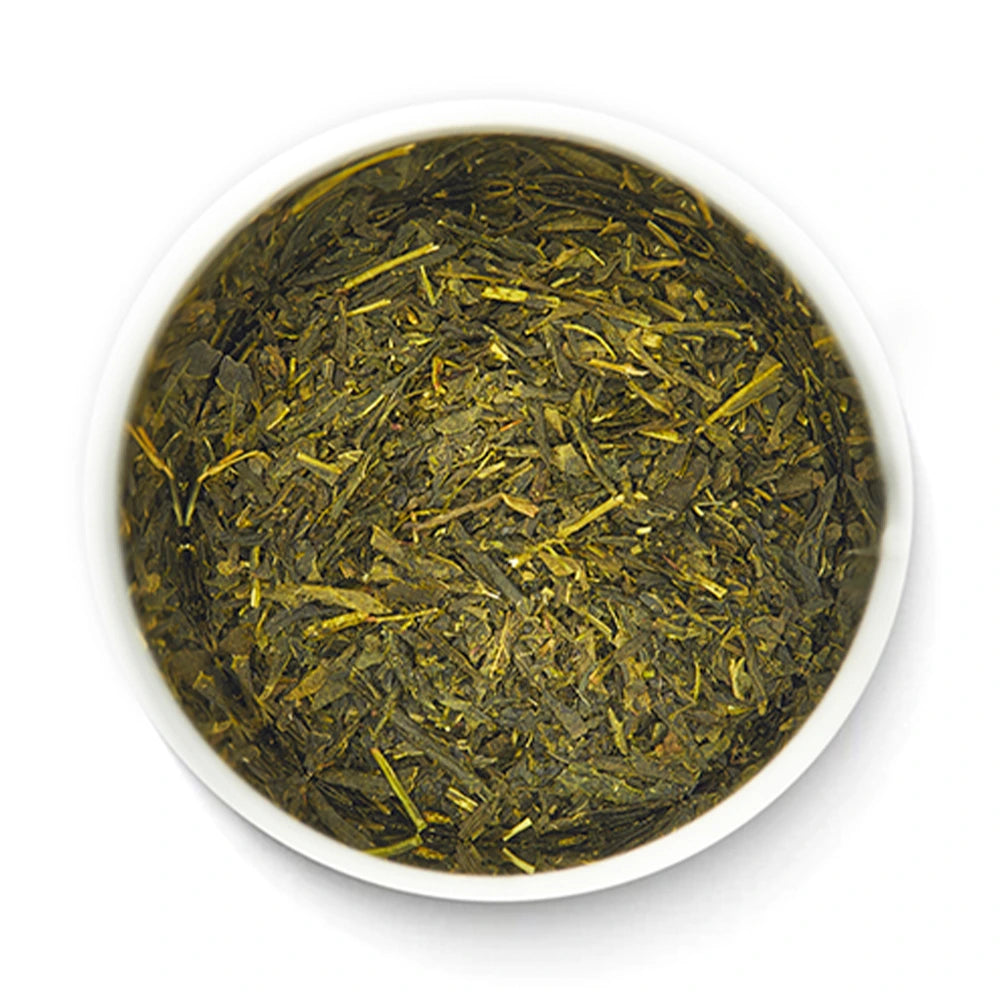
Japanese green tea cultivars are specific tea plant varieties bred and selected over generations to produce distinct flavors, aromas, and growing characteristics. Japan cultivates over 100 registered tea cultivars, each contributing unique qualities to teas like sencha, gyokuro, and matcha. Understanding these cultivars helps tea enthusiasts appreciate why the same tea type can taste remarkably different depending on which plant variety was used. Senbird Tea sources from farms growing many of these prized cultivars, bringing the full diversity of Japanese tea directly to your cup.

A tea cultivar is a cultivated variety of the Camellia sinensis plant that has been selectively bred or discovered for desirable traits such as flavor, yield, pest resistance, or climate adaptation. In Japan, the National Institute of Vegetable and Tea Science along with prefectural research stations have developed and registered cultivars since the mid-20th century. Each cultivar is propagated through cuttings rather than seeds, ensuring genetic consistency and uniform quality across harvests.
The choice of cultivar fundamentally shapes the character of the finished tea. Some cultivars are prized for deep umami flavor, others for floral aroma, and still others for their suitability to specific processing methods like shading for gyokuro or roasting for hojicha. Japanese tea farmers often specialize in particular cultivars suited to their region's climate and soil conditions, creating the terroir-driven diversity that makes Japanese green tea endlessly fascinating to explore through selections from Senbird Tea.

Yabukita is the dominant cultivar in Japan, accounting for approximately 75 percent of all tea cultivation in the country. Developed by Hikosaburo Sugiyama in the 1950s from a seedling discovered in Shizuoka Prefecture, Yabukita earned its overwhelming market share through reliable yields, excellent cold hardiness, and a balanced flavor profile that works well across all Japanese green tea types. Yabukita sencha from Senbird Tea delivers the classic Japanese green tea taste: clean, vegetal sweetness with moderate astringency and a smooth, satisfying finish.
Yutakamidori is the second most planted cultivar in Japan, primarily grown in the warmer southern prefectures of Kagoshima and Miyazaki. This cultivar produces a deeply colored, rich green liquor with stronger umami character and less astringency than Yabukita. Yutakamidori harvests approximately one week earlier than Yabukita, giving it a commercial advantage in the prized first-flush shincha market. Its robust flavor and vivid color make it particularly popular for fukamushi (deep-steamed) sencha processing.
Sayamakaori originated in Saitama Prefecture and is known for its distinctive strong aroma, which is where its name derives from — "kaori" means fragrance in Japanese. This cultivar produces teas with a bolder, more assertive flavor profile than Yabukita, featuring pronounced roasted notes that make it especially suitable for hojicha production. Sayamakaori accounts for roughly 3 percent of Japanese tea cultivation and is valued by artisan producers who appreciate its aromatic intensity and character.
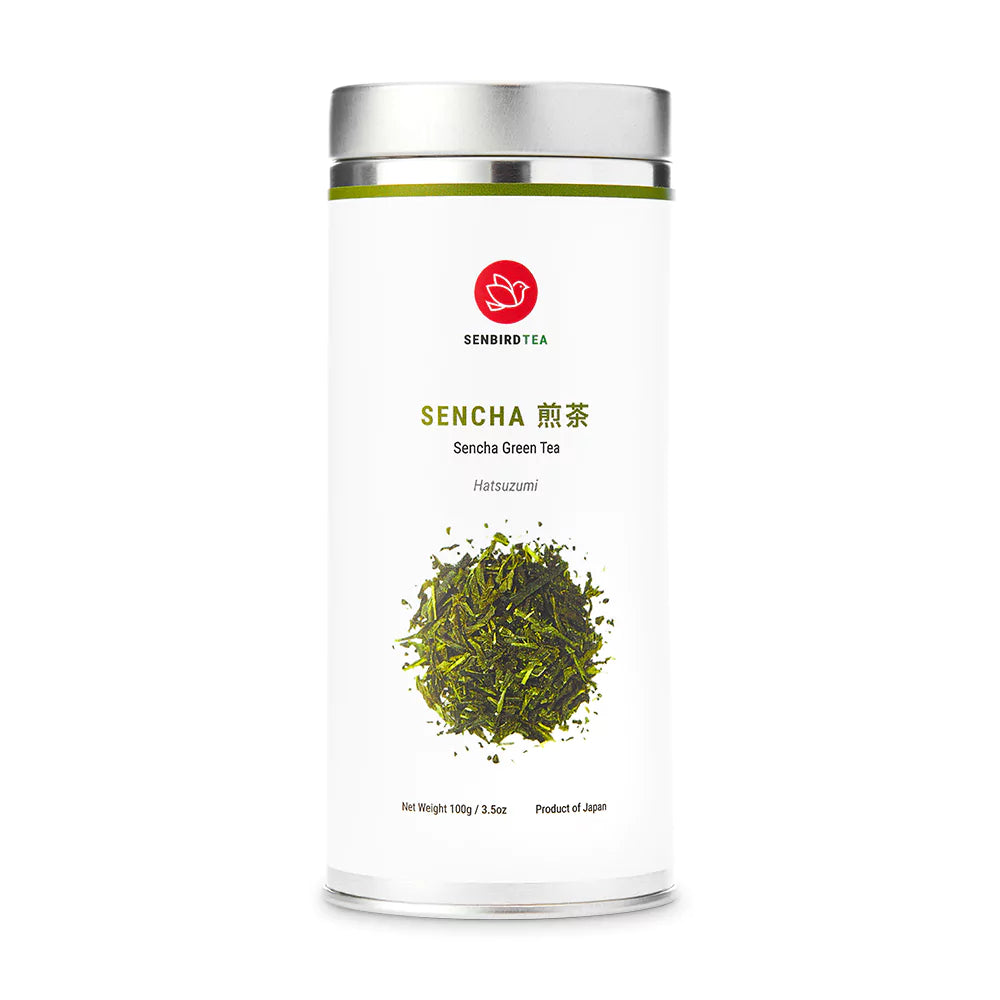
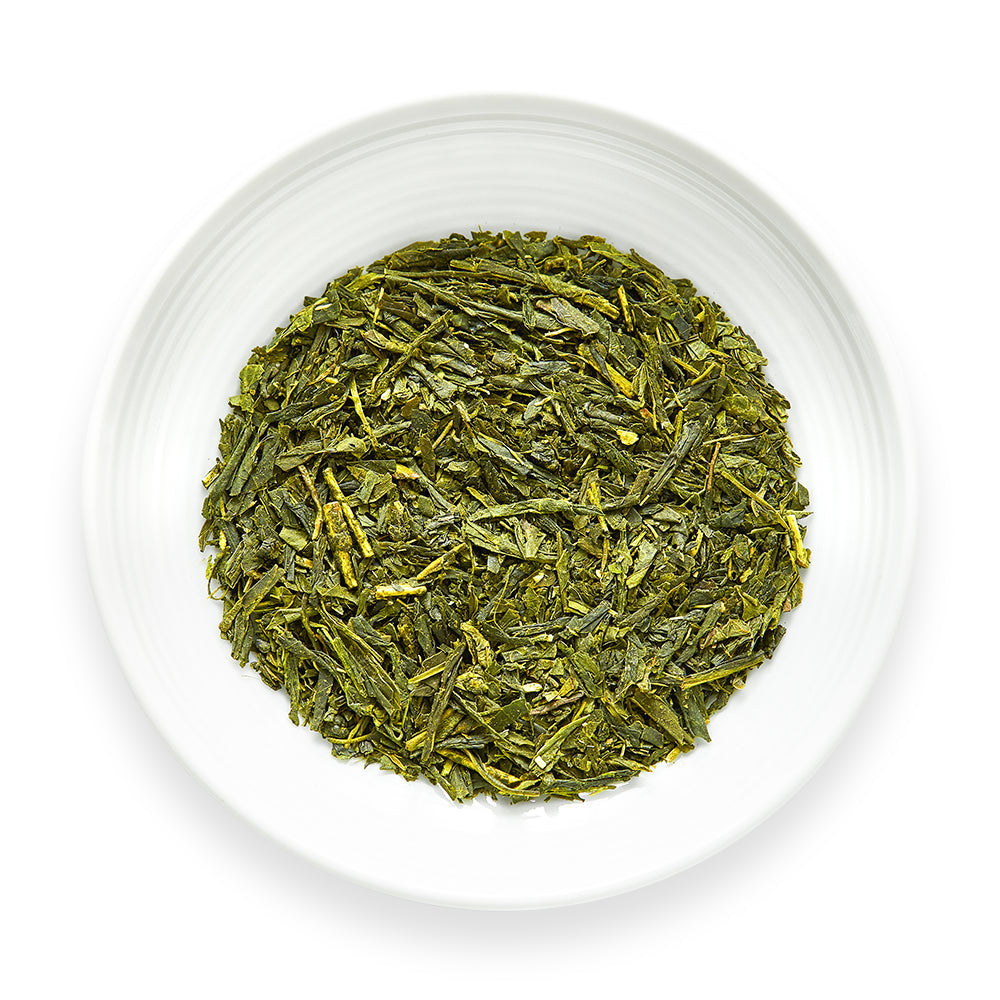
Kanayamidori is a cultivar recognized for its exceptionally sweet, milky flavor and delicate floral aroma. Developed at the Tea Research Station in Kanaya, Shizuoka, this variety produces teas with naturally low astringency and a creamy mouthfeel that appeals to those who prefer gentler green teas. Kanayamidori is often processed as sencha or kabusecha and is gaining popularity among premium tea producers. Senbird Tea features this cultivar in select offerings like Sencha Hatsuzumi that showcase its distinctive sweetness and aromatic complexity.
Okumidori is a late-budding cultivar widely used for gyokuro and high-grade sencha production. Its name means "deep green," reflecting the rich color of its processed leaves. Okumidori produces teas with refined umami flavor and elegant sweetness, making it one of the preferred cultivars for competition-grade gyokuro like Gyokuro Mikado from Senbird Tea. The late harvest timing helps producers extend their processing season beyond the initial Yabukita flush.
Saemidori is a premium cultivar increasingly prized for matcha and gyokuro production. A cross between Yabukita and Asatsuyu, Saemidori combines the hardiness of Yabukita with the exceptional umami depth of Asatsuyu. The resulting tea has vibrant green color, intense sweetness, and minimal bitterness. Senbird Tea sources Saemidori-based teas that demonstrate why this cultivar has become a favorite among discerning tea connoisseurs seeking complex, layered flavor experiences.
Seimei is one of Japan's newest registered cultivars, officially released in 2019 as a potential successor to Yabukita. Bred for disease resistance and climate adaptability, Seimei produces teas with clean, refreshing flavor and excellent color. As Japanese tea farmers face challenges from changing weather patterns, Seimei represents the future of sustainable tea cultivation with its tolerance for both heat stress and common tea plant diseases.
Harunonagori translates to "lingering spring" and lives up to its poetic name with a gentle, lingering sweetness that defines its flavor profile. This relatively rare cultivar is grown primarily in limited quantities by specialty producers who value its unique character. Harunonagori teas often feature delicate floral notes and a soft, rounded mouthfeel that distinguishes them from the more assertive flavor of mainstream cultivars.
Sakimidori is an early-budding cultivar valued in southern Japan for its ability to produce high-quality first-flush tea ahead of the main harvest season. Early-harvest teas command premium prices in the Japanese market, and Sakimidori's reliable early budding gives farmers in Kagoshima and neighboring prefectures a competitive advantage. The flavor is clean and bright with good umami development when shade-grown.
Asatsuyu is sometimes called the "natural gyokuro" because it produces exceptionally umami-rich, sweet tea even without the shading treatment typically required for gyokuro. This rare cultivar yields relatively low harvests, which limits its commercial availability but makes it highly sought after by specialty tea enthusiasts. Senbird Tea occasionally features Asatsuyu selections that showcase its remarkable natural sweetness and deep savory character.
Sun Rouge is a distinctive cultivar developed for its high anthocyanin content, which gives the leaves a striking reddish-purple color. Anthocyanins are powerful antioxidants associated with cardiovascular and cognitive health benefits. Sun Rouge tea brews into an unusual pinkish-red liquor with a mild, slightly fruity flavor that differs dramatically from typical green tea. This cultivar represents the innovative direction of Japanese tea breeding beyond traditional flavor-focused goals.
Tsuyuhikari is a cultivar known for its bright, clear liquor color and fresh, invigorating aroma. Developed as a cross between Shizu-7132 and Asatsuyu, this variety combines visual appeal with a balanced flavor that works well for both standard and deep-steamed sencha processing. Tsuyuhikari is particularly popular in Shizuoka Prefecture, where its early-to-mid harvest timing and disease resistance make it a practical choice for farmers.
Harumoegi is a newer cultivar gaining recognition for its vigorous growth and reliable quality. Its name means "spring sprouting," reflecting its healthy early-season growth habit. Harumoegi produces well-balanced teas with moderate umami and pleasant sweetness, making it versatile across multiple processing methods. As Japanese tea agriculture evolves to meet changing climate conditions, cultivars like Harumoegi represent the next generation of sustainable, high-quality tea production.

| Cultivar | Market Share | Key Flavor | Best Used For |
|---|---|---|---|
| Yabukita | ~75% | Balanced, clean, vegetal | All tea types |
| Yutakamidori | ~4% | Rich umami, low astringency | Fukamushi sencha |
| Sayamakaori | ~3% | Strong aroma, bold | Hojicha, aromatic sencha |
| Kanayamidori | <2% | Sweet, milky, floral | Sencha, kabusecha |
| Okumidori | ~3% | Refined umami, elegant | Gyokuro, premium sencha |
| Saemidori | ~2% | Intense sweetness, vivid green | Matcha, gyokuro |
| Seimei | Emerging | Clean, refreshing | Climate-resilient sencha |
| Asatsuyu | <1% | Natural umami, very sweet | Premium gyokuro-style |
| Sun Rouge | <1% | Mild, fruity, anthocyanin-rich | Specialty antioxidant tea |
Yabukita is by far the most common Japanese green tea cultivar, accounting for approximately 75 percent of all tea cultivation in Japan. Developed in Shizuoka Prefecture in the 1950s, Yabukita earned its dominance through reliable yields, excellent cold hardiness, and a versatile balanced flavor that works well for sencha, gyokuro, matcha, and hojicha production. Most Japanese green teas you encounter, including many selections from Senbird Tea, are made from Yabukita plants unless otherwise specified on the label.
Each cultivar has a unique genetic profile that determines its amino acid content, catechin levels, aromatic compounds, and leaf structure, all of which directly influence the finished tea's flavor. Cultivars like Saemidori and Asatsuyu are naturally high in L-theanine, producing intensely sweet, umami-rich teas. Sayamakaori has higher levels of aromatic compounds that create a bold, fragrant cup. The same processing method applied to different cultivars will yield noticeably different tasting teas, which is why Senbird Tea specifies cultivar information to help customers explore these flavor differences.
Single-cultivar teas are typically more expensive because they require dedicated processing that keeps leaves from one plant variety separate throughout harvesting, steaming, rolling, and drying. Most commercially produced Japanese green tea blends leaves from multiple cultivars to achieve consistent flavor profiles year after year. Single-cultivar teas from Senbird Tea offer a pure expression of one variety's character, allowing tea enthusiasts to experience the distinct personality of each cultivar without blending. Rarer cultivars with lower yields, such as Asatsuyu or Sun Rouge, command additional premiums due to limited availability.
Yes, experienced tea drinkers can often distinguish between cultivars, especially when comparing varieties with strongly contrasting characteristics. The difference between a sweet, creamy Kanayamidori sencha and a bold, aromatic Sayamakaori sencha is readily apparent even to beginners. Developing your palate for cultivar differences is one of the most rewarding aspects of Japanese tea appreciation. Senbird Tea recommends tasting cultivars side by side using identical brewing parameters to highlight how the plant variety itself shapes the tea experience.
The most common cultivars used for matcha production include Saemidori, Okumidori, Samidori, Asahi, and Yabukita. Premium ceremonial-grade matcha often uses Saemidori or Samidori for their exceptional sweetness, vivid green color, and high amino acid content that develops during the shade-growing period required for matcha production. Culinary-grade matcha may use Yabukita or blends of multiple cultivars. Senbird Tea offers matcha made from carefully selected cultivars grown in Uji and other renowned matcha-producing regions of Japan.
煎茶はつづみ
A deep-steamed first harvest green tea with a fresh, full-bodied flavor that offers a vibrant daily ritual supporting focus and well-being.