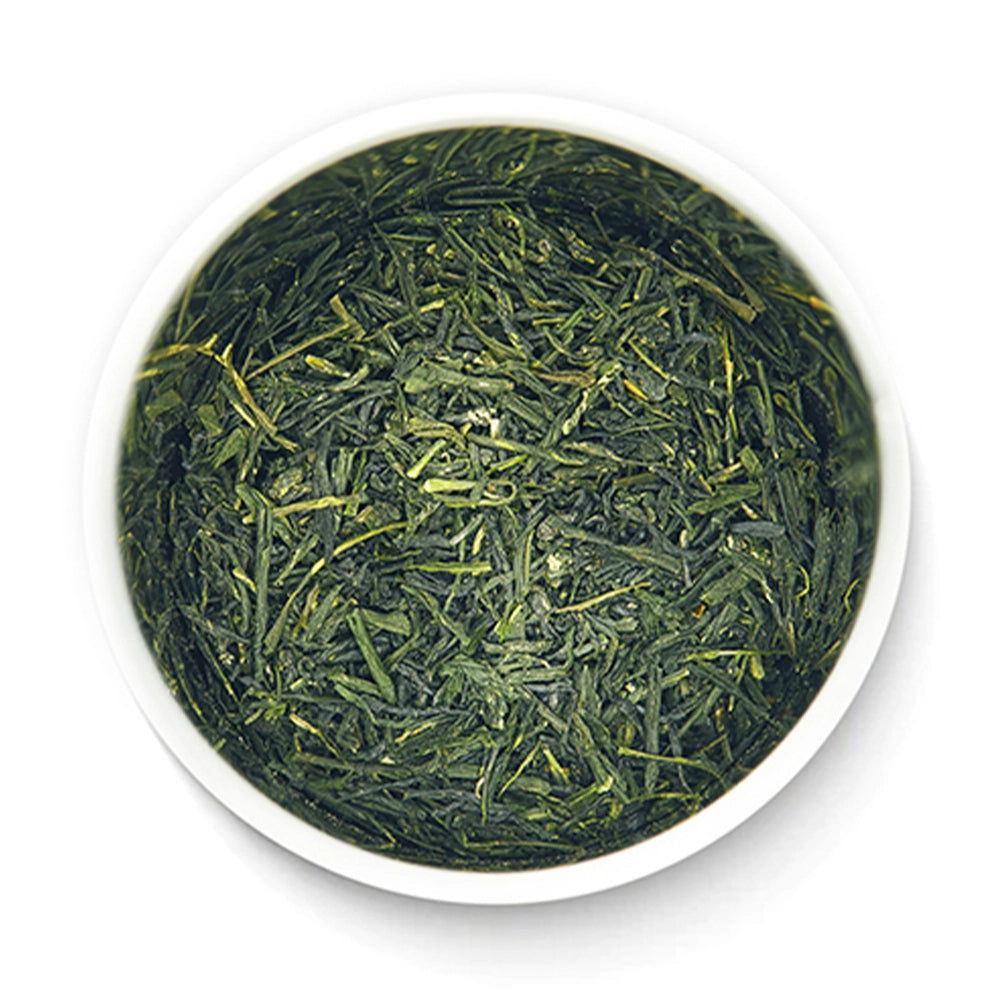
In Japanese culture, used tea leaves are not waste. They are an ingredient waiting for a second life. This homemade furikake recipe shows you how to transform your spent green tea leaves into a savory, umami-rich rice seasoning that belongs on every Japanese-inspired meal. It is simple to make, endlessly versatile, and rooted in the Japanese philosophy of "mottainai," or wasting nothing.

"Furikake" is Japanese rice seasoning, a versatile condiment that is commonly used on rice bowls or in rice balls. Typically, Furikake consists of nori (dried seaweed), salt, dried fish, and toasted sesame seeds. As an all-purpose seasoning, Furikake rice seasoning can be used on any food as you please, including seafood and vegetables.

The idea of Furikake rice seasoning was something that had existed in Japan 12 to 13 centuries ago, where Japanese people had created a version of Furikake using dried fish flakes.
Later on in the Taisho period (1921-1926), a pharmacist invented the modern version of Furikake out of concern for the lack of calcium in the Japanese diet. So not only was Furikake made as a seasoning but it was also made to support general health and nutrition in Japan. If you go to your everyday Asian market, you may find a premade version on the shelves, often in a variety of flavor offerings.
But did you know that you can easily make Furikake rice seasoning by repurposing your used green tea leaves? The green tea leaves enhance the umami flavor of Furikake while providing additional health benefits.
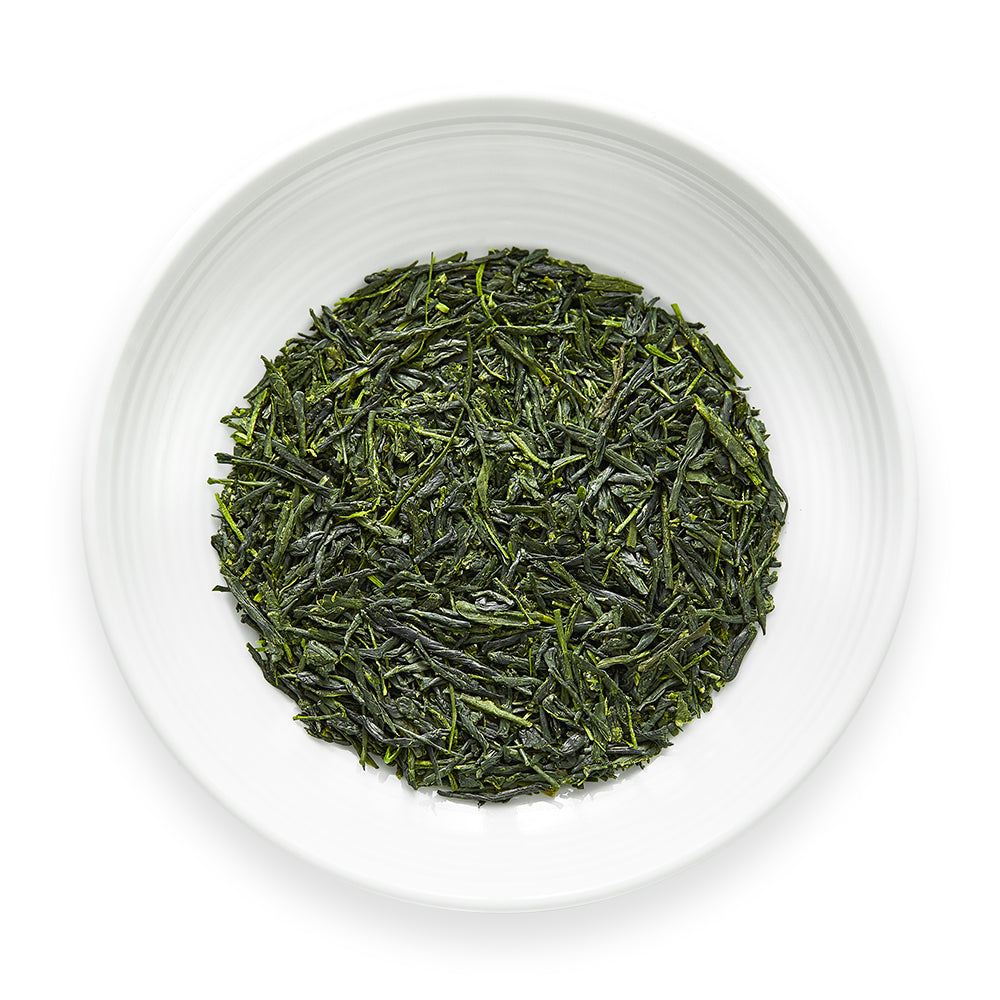
Upcycle your used Gyokuro, Sencha or Genmaicha leaves to make your Furikake. We recommend using higher quality green tea such as Sencha or Gyokuro because it will give you maximum umami flavor and an energy boost!

In Japan, you may hear the phrase "Mottainai!" which translates to "What a waste!" Japanese environmentalists have used this phrase to loosely express the regret of being wasteful, paired with the appreciation for the gifts of nature. The eco-friendly philosophy of protecting what we have, using something to the end of its life, and continuously repurposing is typical throughout Japanese culture and can be seen as a trait in many Japanese people. In the spirit of "Mottainai" culture, follow our Furikake recipe below to make homemade Furikake by repurposing used green tea leaves!

As an alternative, you can also use used Sobacha grains, or buckwheat tea for your Furikake following the same steps as the recipe above. Toast the Sobacha grains in a light coating of sesame oil and toss them into your Furikake mixture for a different flavor and texture!
Furikake is a wonderfully versatile seasoning, much like the trending Everything But the Bagel Seasoning. Sprinkle it over steamed rice, onigiri rice balls, noodles, eggs, avocado toast, roasted vegetables, or even popcorn for a savory umami boost.
For a complete Japanese meal, pair your furikake rice bowl with a fresh cup of Senbird Tea. A light sencha complements the savory, toasty notes of the seasoning beautifully. If you used gyokuro leaves for your furikake, try brewing a second pot alongside your meal to bring the full circle of flavor from leaf to table.
Homemade green tea furikake keeps well for up to 2 weeks when stored in an airtight container at room temperature. For longer storage, keep it in the refrigerator for up to a month. The key is making sure the tea leaves are fully dried during the toasting step, since any remaining moisture will shorten the shelf life.
Yes, but higher-quality loose-leaf teas give the best results. Gyokuro and sencha produce the most umami flavor because of their rich amino acid content. Genmaicha works beautifully too, since the toasted rice grains add extra nuttiness. Hojicha leaves can be used for a deeper, roasted flavor profile. Avoid tea from tea bags, as the leaves are too finely ground and may turn bitter when toasted.
Yes. Removing all moisture from the used tea leaves is the most important step in the recipe. If the leaves retain any dampness, your furikake will clump together and spoil faster. Toast them on low heat patiently, stirring often, until they feel light and crumble easily between your fingers.
Green tea furikake is a nutritious seasoning. The tea leaves retain beneficial catechins and antioxidants even after brewing, and the sesame seeds provide healthy fats, calcium, and protein. Nori adds iron, iodine, and vitamins A and C. Compared to store-bought furikake, homemade versions let you control the salt content and avoid preservatives or artificial flavors.
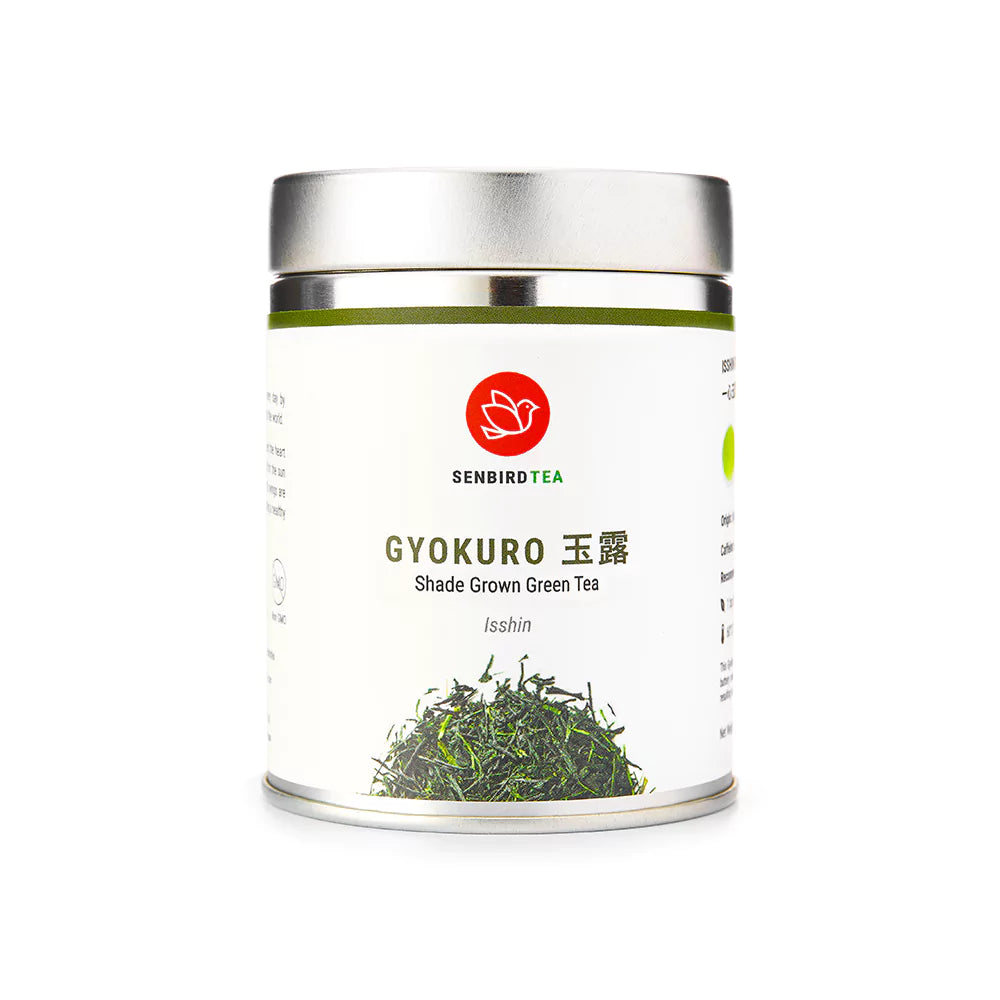
玉露一心
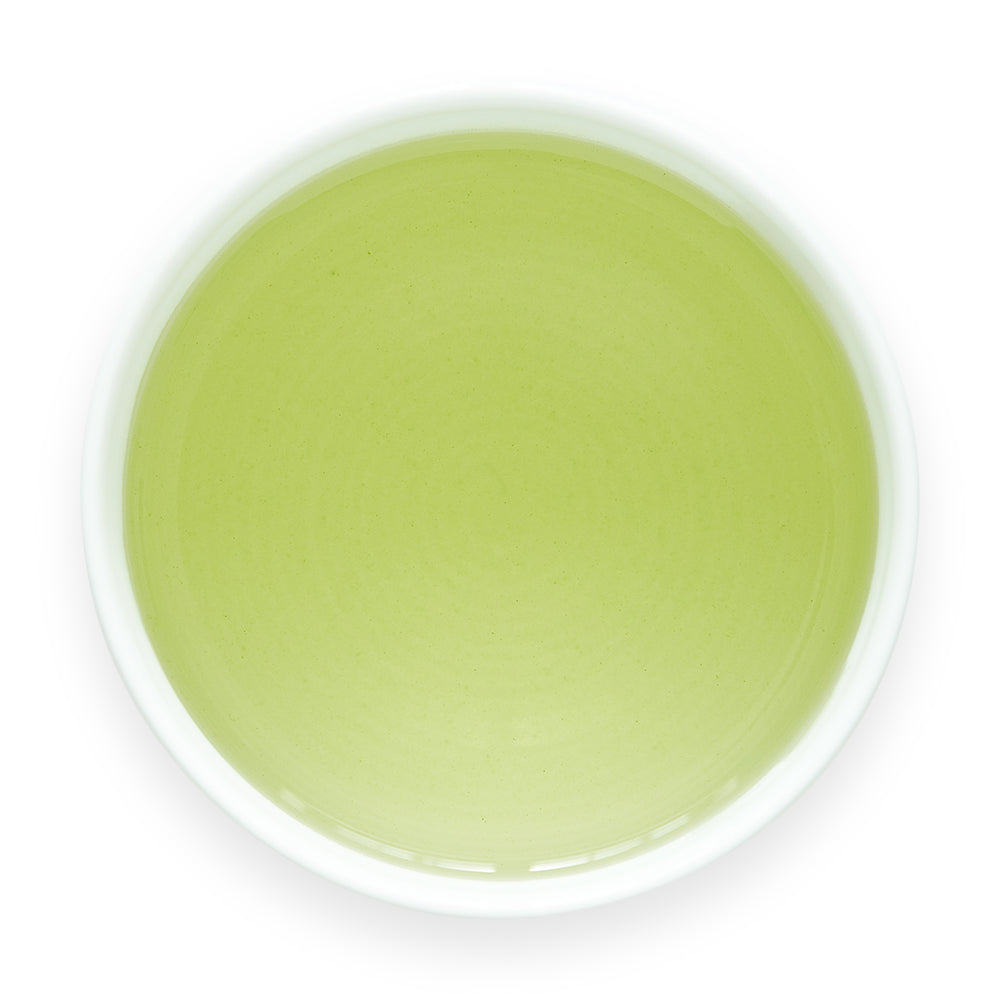
An Asatsuyu gyokuro with a sweet, mellow umami and a smooth finish perfect for grounding moments.