If you've ever wished your evening drink had the warmth of a latte without the caffeine, a sobacha latte might be exactly what you've been looking for. Made with roasted buckwheat tea — known in Japan as sobacha — this drink is nutty, naturally sweet, and unbelievably comforting. Think of it as the cozy, caffeine-free cousin of a hojicha latte, with a toasty depth all its own.
The best part? It's incredibly simple to make. Whether you prefer the slow, meditative ritual of the stovetop, something quick with minimal cleanup, or a refreshing iced version for warmer days, we've got you covered with three easy methods below.

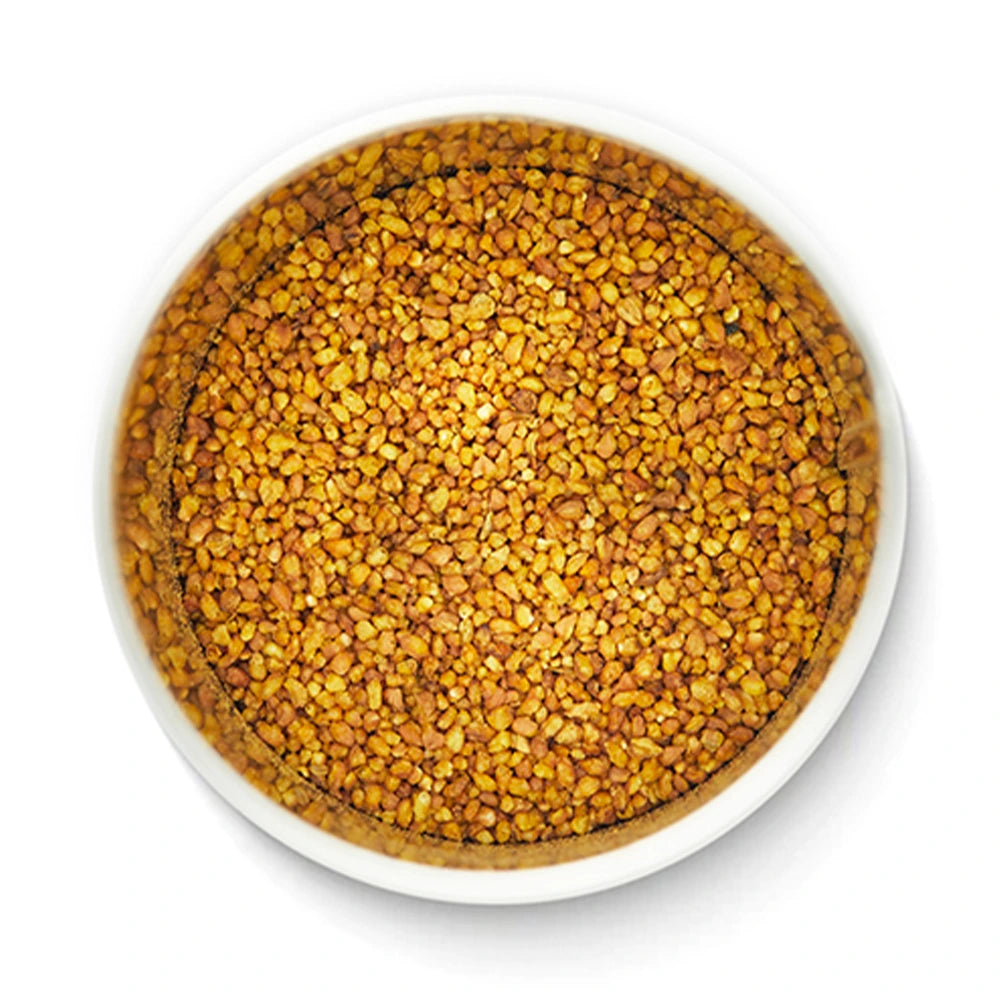
Sobacha is a traditional Japanese herbal tea made from roasted buckwheat kernels (soba no mi). Despite the name, buckwheat is not related to wheat at all — it's naturally gluten-free and caffeine-free, making it a gentle choice for any time of day.
What sets sobacha apart is its flavor. The roasting process brings out rich, nutty, almost caramel-like notes that feel warm and grounding in every sip. In Japan, sobacha is enjoyed both hot and cold, often as a palate cleanser at soba noodle restaurants or as an everyday herbal tea at home.
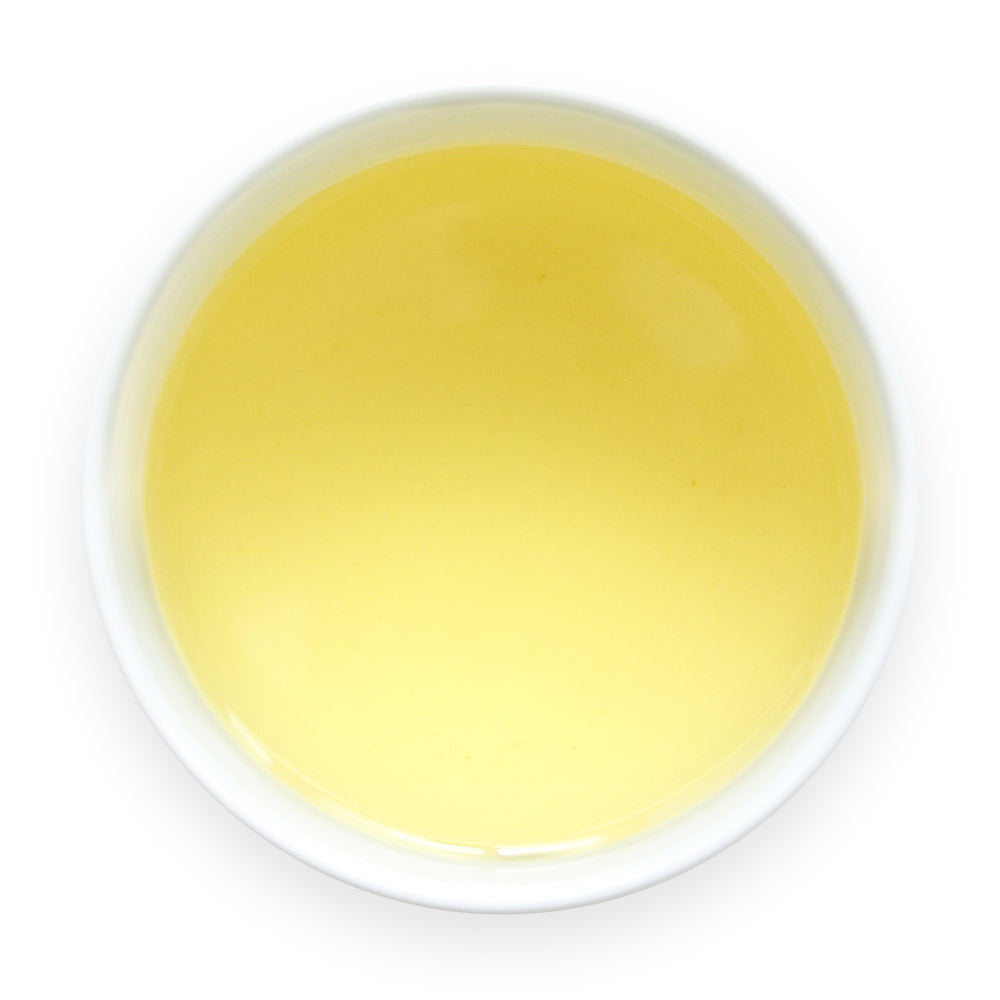
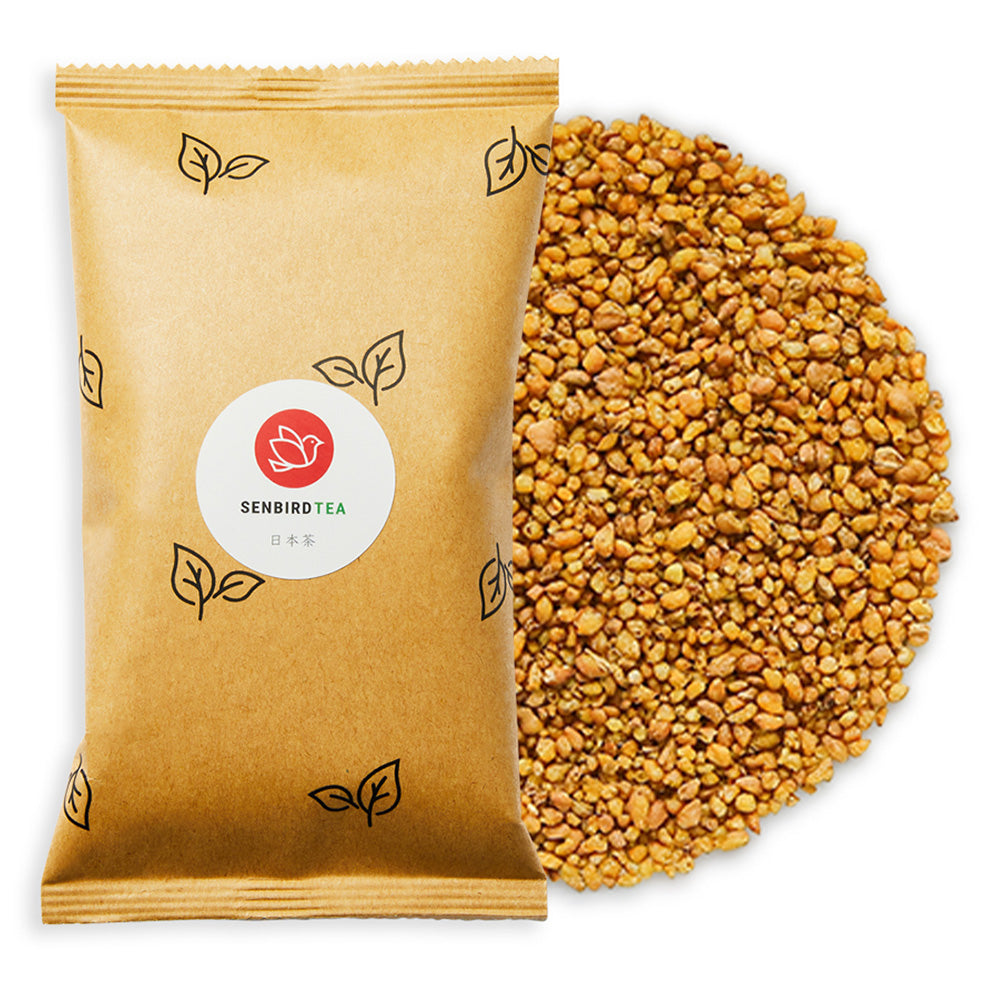
Senbird Tea's Sobacha Aiji is made from carefully roasted whole buckwheat kernels, producing a clean, aromatic cup with a deep golden color and a naturally sweet finish. It's the perfect base for a latte — its toasty character pairs beautifully with milk, brown sugar, and warm spices like cinnamon.

Here's everything you need to make a sobacha latte, no matter which method you choose:
That's it — five simple ingredients. The salt might surprise you, but just a tiny pinch rounds out the sweetness and amplifies the nutty, toasty notes of the buckwheat. It's a small detail that makes a real difference.
A note on milk: Whole milk gives you the creamiest, richest result. Oat milk is a wonderful plant-based alternative — its natural sweetness complements the buckwheat beautifully. Almond milk adds a lighter, nuttier twist. Feel free to experiment and find your favorite.

This is the traditional method — slow, aromatic, and deeply satisfying. Simmering the sobacha directly in milk draws out the fullest flavor and gives you the richest, most velvety result.
Pro tip: The kitchen will smell incredible while this simmers — toasty, warm, and a little sweet. It's half the experience.

Don't feel like pulling out a saucepan? This method is faster and easier — perfect for busy mornings or when you just want something warm with minimal effort. You'll brew a concentrated sobacha, then combine it with warmed milk.
Pro tip: This method is also great if you want to control the tea-to-milk ratio. Like it stronger? Use less milk. Prefer it creamier? Add more.

When the weather warms up — or when you simply prefer your drinks cold — an iced sobacha latte is absolutely refreshing. The nutty, toasty flavors of buckwheat tea translate beautifully over ice, especially with a touch of sweetness.
Pro tip: For an extra-smooth iced version, cold brew your sobacha overnight. Add 2 tablespoons of sobacha to 6 oz of cold water in a cold brew tea bottle, refrigerate for 6–8 hours, then use the chilled brew as your concentrate. No heating required.

Whether you go stovetop, quick steep, or iced, here are a few tips to get the most out of your buckwheat tea latte:
If you're sharing the sobacha latte experience with friends or family, the Sobacha Gathering Set comes with everything you need for a cozy buckwheat tea tasting at home.
Sobacha is one of those naturally caffeine-free herbal teas that feels indulgent without any of the jitters — making it perfect for a relaxing evening ritual or a gentle morning warm-up. Once you've tried a sobacha latte, you'll find yourself reaching for it again and again.
Ready to explore more ways to enjoy buckwheat tea? Browse Senbird Tea's full sobacha collection and discover the toasty, nutty side of Japanese tea.
Yes! Sobacha is made from roasted buckwheat kernels, which are naturally caffeine-free. That makes a sobacha latte a perfect choice for evenings, for anyone sensitive to caffeine, or simply as a soothing alternative to coffee and traditional tea lattes.
Despite having "wheat" in the name, buckwheat is not related to wheat. It's a seed, not a grain, and is naturally gluten-free. However, if you have a severe gluten allergy, always check for cross-contamination information on the specific product packaging.
Whole dairy milk gives the creamiest result, but oat milk is a standout plant-based option — its natural sweetness pairs beautifully with the nutty buckwheat flavor. Almond milk works well for a lighter version. Coconut milk adds a tropical twist that's surprisingly delicious, especially in the iced version.
Sobacha can be steeped a second time, though the flavor will be lighter. For the latte, we recommend using fresh sobacha each time to ensure that rich, bold flavor comes through the milk. After brewing, you can also snack on the softened buckwheat kernels — they have a pleasant, toasty crunch.
For the iced version, absolutely. Brew a batch of strong sobacha concentrate, let it cool, and store it in the fridge for up to 2 days. When you're ready, just pour it over ice with milk and your sweetener of choice. For the hot versions, it's best made fresh — the flavor and texture are at their peak right after preparation.
そば茶愛児
Our popular sobacha with a toasty aroma and smooth, nutty sweetness, a comforting caffeine-free tea perfect for daily enjoyment.